
Garage Door Installation in Naperville, IL
A properly installed door starts with correct measurements and the right spring system for the weight and size of the panel — get it installed right the first time by technicians who do this every week.
- Locally owned since 2012
- Insured, background-checked techs
- Free upfront quotes
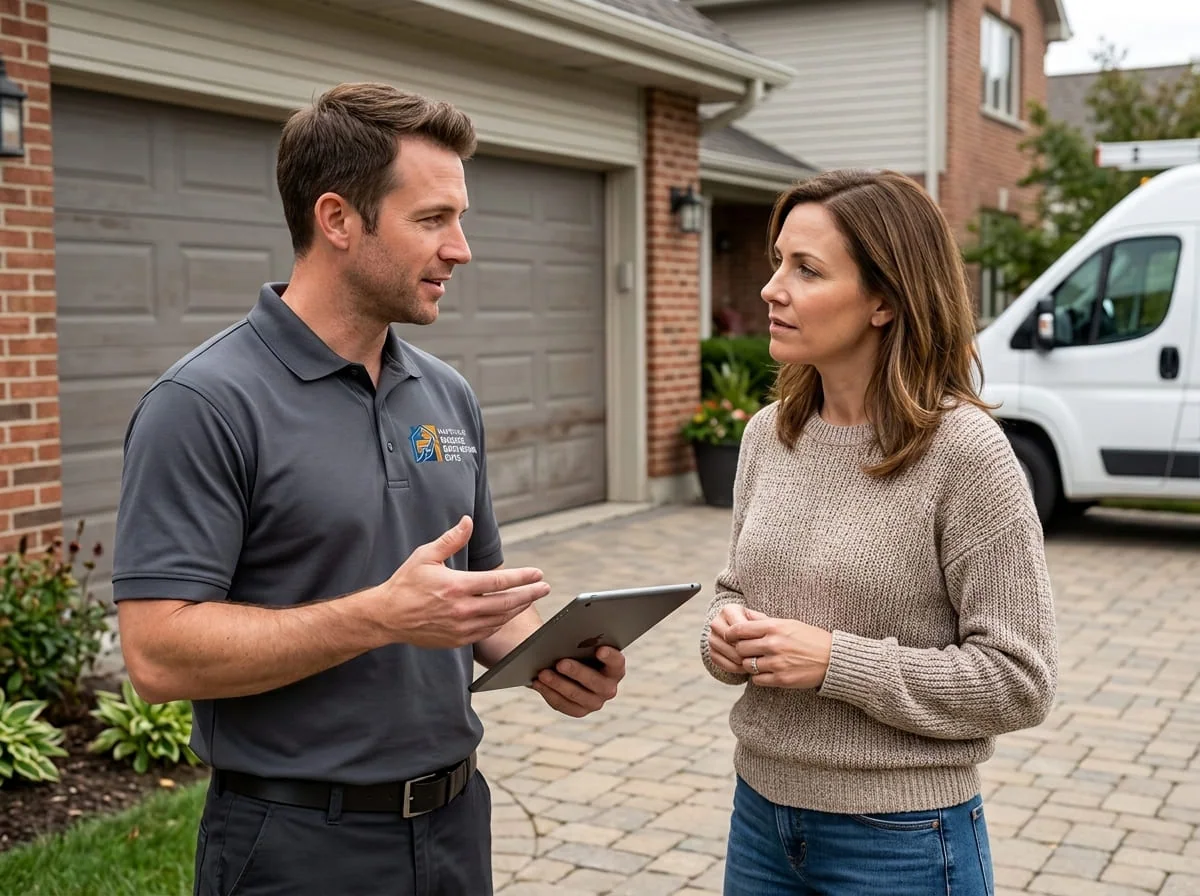
Installing a garage door is a different job than repairing one. It means sizing the opening correctly, matching the spring system to the door's weight and cycle needs, setting tracks so the panel travels straight and true, and integrating an opener that reads the door's balance point correctly from day one. Naperville Garage Door Repair Guys handles new installations for homeowners building an addition, finishing out a new garage bay, or upgrading from an old door and worn-out hardware that isn't worth patching anymore.
We serve Naperville and the surrounding western suburbs — Plainfield, Bolingbrook, Woodridge, Lisle, Aurora, Wheaton, Warrenville, Oswego, and Downers Grove — and we've installed doors on everything from newer construction in White Eagle to older homes near downtown with non-standard openings. Illinois winters put real stress on a new install: torsion springs have to be wound to the correct tension for the door's actual weight, track alignment has to account for a concrete slab that shifts slightly with freeze-thaw cycles, and weatherstripping has to actually seal against wind-driven snow. Get any of that wrong at install time and you're chasing problems for years.
Every installation starts with an honest conversation about what the opening actually needs — not an upsell script. We measure, explain the spring and track options that fit your situation, and give you a firm, written quote before any work begins.
When You Need a New Installation, Not a Repair
Most calls we get are repairs — a broken spring, a bent track, a dead opener. Installation calls are different. You need a full installation, not a repair, when there's a new opening to fill (a garage addition or a home built without a door hung yet), when an old door and its hardware are damaged or outdated enough that patching individual parts no longer makes sense, or when you're combining two smaller bays into one wider opening.
A few signs point toward installation over repair: the existing frame or track system is rusted through rather than just misaligned, the door has been repaired multiple times in the same spots, or the opening itself is being resized or reframed. If you're not sure which category your situation falls into, we'll tell you honestly during the initial visit — there's no reason to sell a full installation when a repair will genuinely solve the problem.
How a Garage Door Installation Works
A new installation involves more steps than most homeowners expect, and skipping any of them is where problems start. Here's what actually happens on an install day:
- The opening is measured precisely, including headroom and side-room clearance for the track and spring system.
- Track brackets are mounted plumb and level to the framing, not just eyeballed against the existing opening.
- The torsion or extension spring system is sized to the door's actual weight and installed with the correct number of turns for the counterbalance to work correctly.
- Panels are set, hinged, and rolled into the tracks, then the door is tested through a full open-close cycle before hardware is finalized.
- Weatherstripping, the bottom astragal seal, and any threshold seal are fitted to the slab.
- If an opener is part of the job, it's mounted, wired, and calibrated to the door's actual travel and force settings — not factory defaults.
Balance testing matters as much as any single step. A door that isn't balanced correctly will strain the opener motor, wear the springs faster than they should, and can become a safety hazard if it doesn't hold position when disconnected from the opener.
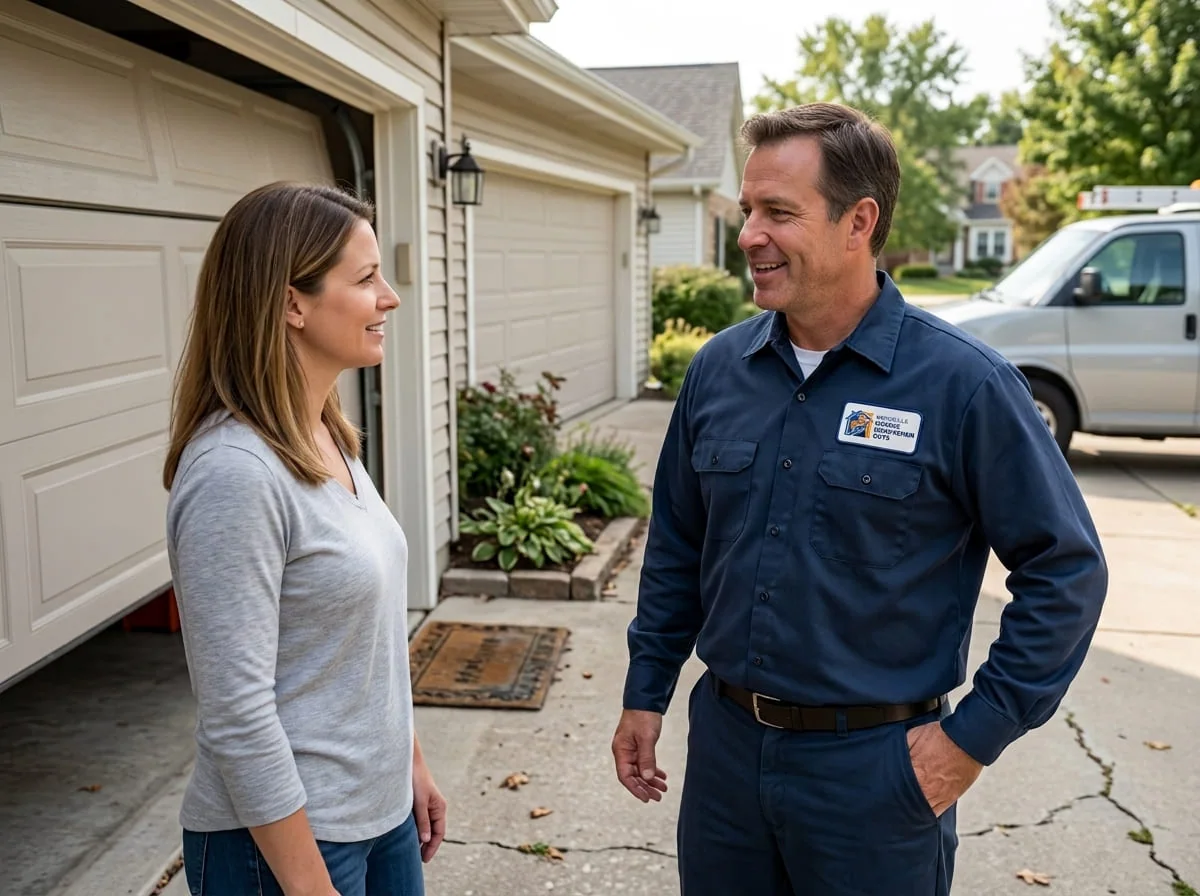
Choosing the Right Door for a Naperville Winter
Illinois winters are hard on garage doors that aren't set up for them. Cold temperatures make torsion springs contract, which changes their effective tension over a season, and an insulated door section holds up better against warping and condensation than a single-layer panel exposed to swings between a heated garage interior and single-digit exterior temps.
Insulation matters most if the garage is attached to living space, sits under a bedroom, or houses a workshop you actually use in winter. An insulated door with a solid door-to-frame seal keeps wind-driven cold out and can meaningfully cut how hard an attached room's heating system has to work — the U.S. Department of Energy's ENERGY STAR program has guidance on the building-envelope benefits of sealing garage openings properly.
We'll talk through insulated versus standard panel options, track and spring configurations that suit the opening, and realistic maintenance expectations for whichever door fits your household — without steering you toward a specific brand or price point before we've actually looked at the job.
Permits and Local Code Considerations
Swapping a door and opener within an existing, unmodified opening typically doesn't require a separate permit in most of our service area, but that changes if the job involves altering structural framing, widening an opening, or adding a new garage bay entirely. Naperville's Permits & Licenses division is the right place to confirm what your specific project needs before work starts, and homeowners near the Will County side of the city or in Plainfield should check with their local building department as well, since requirements can differ by jurisdiction.
We're happy to flag when a job looks like it crosses into permit territory based on what we see during the estimate, but we always tell customers to confirm directly with their local building department rather than relying on a contractor's guess.
Why Installation Isn't a DIY Project
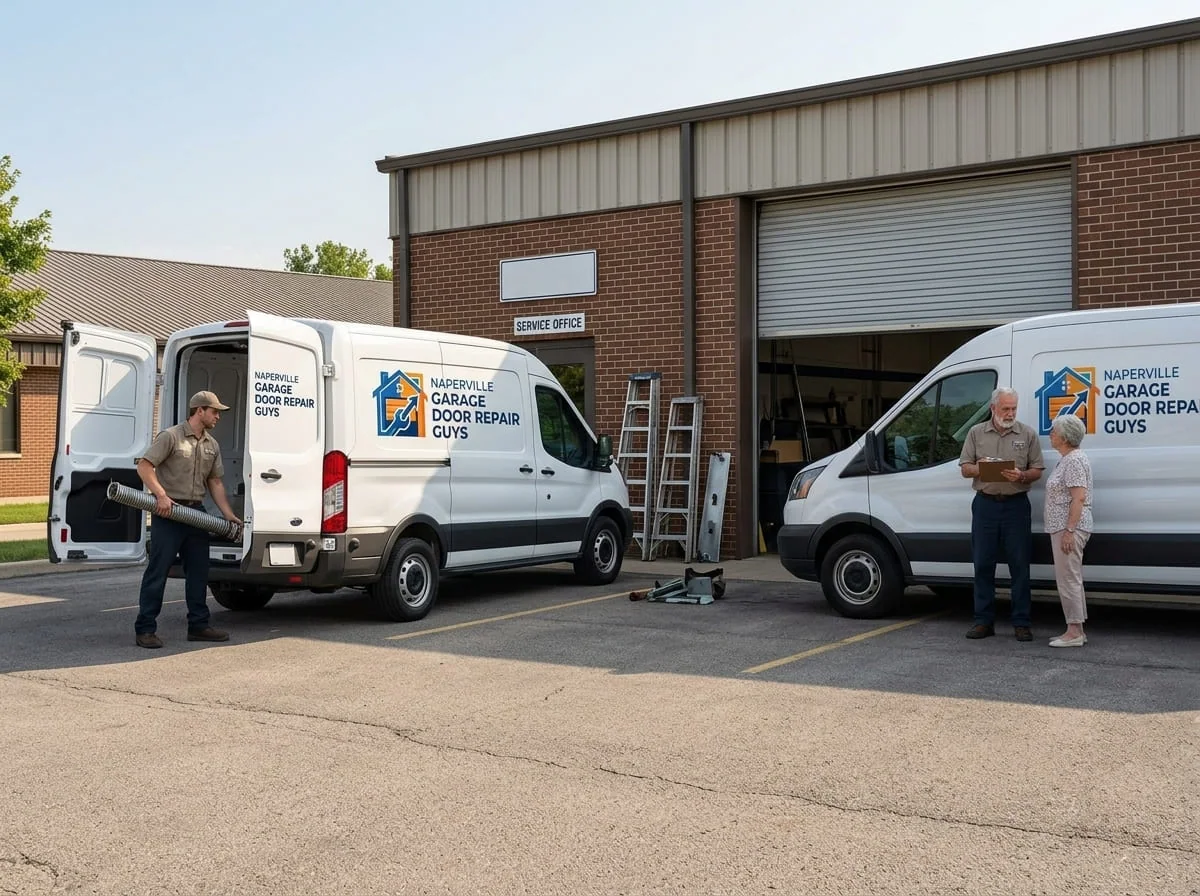
Garage door springs store enough force to cause serious injury if they're wound or released incorrectly, and that risk is highest during installation — when the spring hasn't been tensioned yet and there's no existing door weight to reference. The Consumer Product Safety Commission has documented injuries from exactly this kind of DIY spring work, and it's one of the main reasons Pete Voss runs every install by the book. He still keeps a mangled winding bar from a homeowner's failed DIY spring adjustment years ago, as a reminder of what's at stake.
Beyond the safety issue, a door that's hung slightly out of plumb, tracks that aren't set to the correct gap, or a spring sized wrong for the door's actual weight won't necessarily fail right away — it'll just wear unevenly and shorten the life of the rollers, opener, and cables over the following seasons. Getting it right the first time costs less than fixing a bad install later.
Why Naperville Homeowners Choose Us for Installation
Pete Voss started installing overhead doors on new-construction homes across the western suburbs before he ever ran his own repair truck, and that background shapes how this company handles every install: correct measurements, honest conversations about what the opening actually needs, and no work that starts before the homeowner has a clear, written quote in hand.
We've been serving Naperville and the surrounding suburbs since 2012, our technicians are background-checked and insured, and we schedule installs with the same upfront pricing and same-day appointment availability we use for repair calls. If something about the install doesn't look right once we're on site, we'll say so before we proceed — not after.
What to Expect When You Call
In-Home Consultation and Measurement
We measure the opening, headroom, and side room, and talk through door and spring options that fit the space and your household's needs.
Written Quote
You get a firm, upfront quote covering the door, hardware, and labor before any work is scheduled.
Old Door Removal
If applicable, the existing door, track, and spring hardware are safely removed and hauled away.
Installation and Balance Testing
Tracks are set plumb, the spring system is sized and tensioned for the door's actual weight, and the door is cycle-tested for balance and smooth travel.
Opener Setup and Final Walkthrough
If an opener is included, it's calibrated to the door's travel and force settings, and we walk through operation, safety sensors, and manual release with you before we leave.
Garage Door Installation in Naperville, IL FAQs
How long does a garage door installation take?
A straightforward single-door installation with an existing, unmodified opening usually takes a few hours in one visit. Jobs that involve reframing an opening, a double-wide door, or opener integration can take longer, and we'll give you a realistic time estimate during the quote.
Can I install a garage door myself?
We don't recommend it. Torsion and extension springs store significant force even before a door is fully hung, and incorrect tensioning during installation is a leading cause of serious injury in DIY garage door work. Track alignment and spring sizing also affect how long the door and opener last, so a small setup mistake tends to show up as expensive wear later.
Do I need a permit to install a new garage door in Naperville?
Replacing a door within an existing opening typically doesn't require a separate permit, but altering framing or adding a new garage bay usually does. Check with the City of Naperville's Permits & Licenses division or your local building department to confirm what your specific project needs.
Should I get an insulated garage door for an Illinois winter?
Insulated doors hold up better against temperature swings and help reduce heat loss if your garage is attached to living space or sits under a room you heat. Whether it's worth it for your home depends on how the garage is used — we'll walk through the tradeoffs honestly during your quote.
Will you remove and haul away my old garage door?
Yes, removal and haul-away of the old door, track, and spring hardware is part of a standard installation job when you're replacing an existing door.
How much does garage door installation cost?
Cost depends on the door size, insulation level, spring system, and whether an opener is included, so we don't quote a number without seeing the job. Naperville Garage Door Repair Guys provides a free, upfront quote before any work begins so you know exactly what you're paying for.
What's the difference between garage door installation and replacement?
Installation typically refers to putting in a door where the opening is new, being resized, or the prior hardware is being fully replaced rather than swapped like-for-like. If you're simply swapping an aging door for a new one in the same opening, our garage door replacement service covers that more directly.
Need Garage Door Installation in Naperville, IL?
Naperville Garage Door Repair Guys is ready to help — call now for a free, upfront quote.